Road Cleanup, Culvert Install, and Site Work Done Right
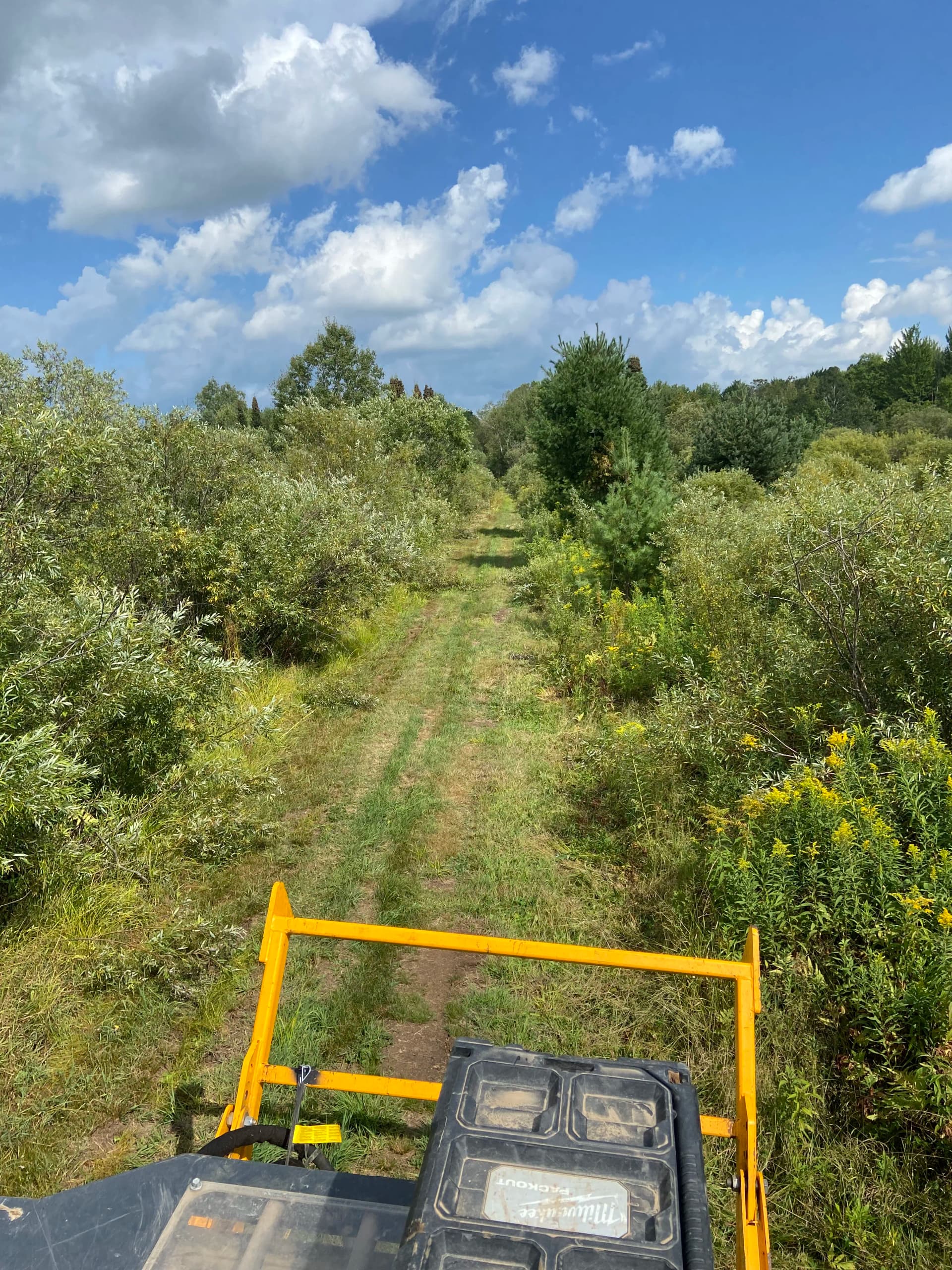
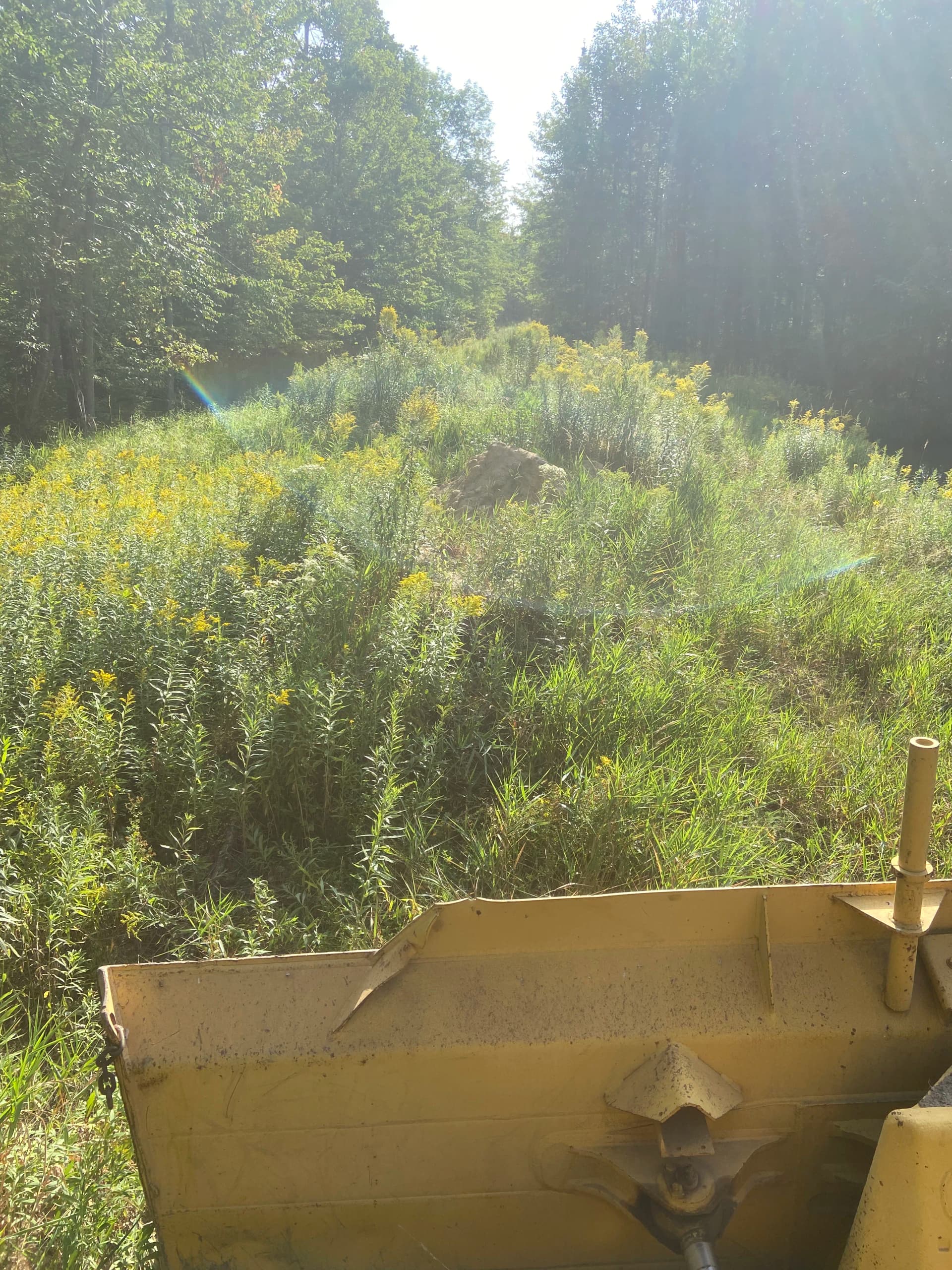
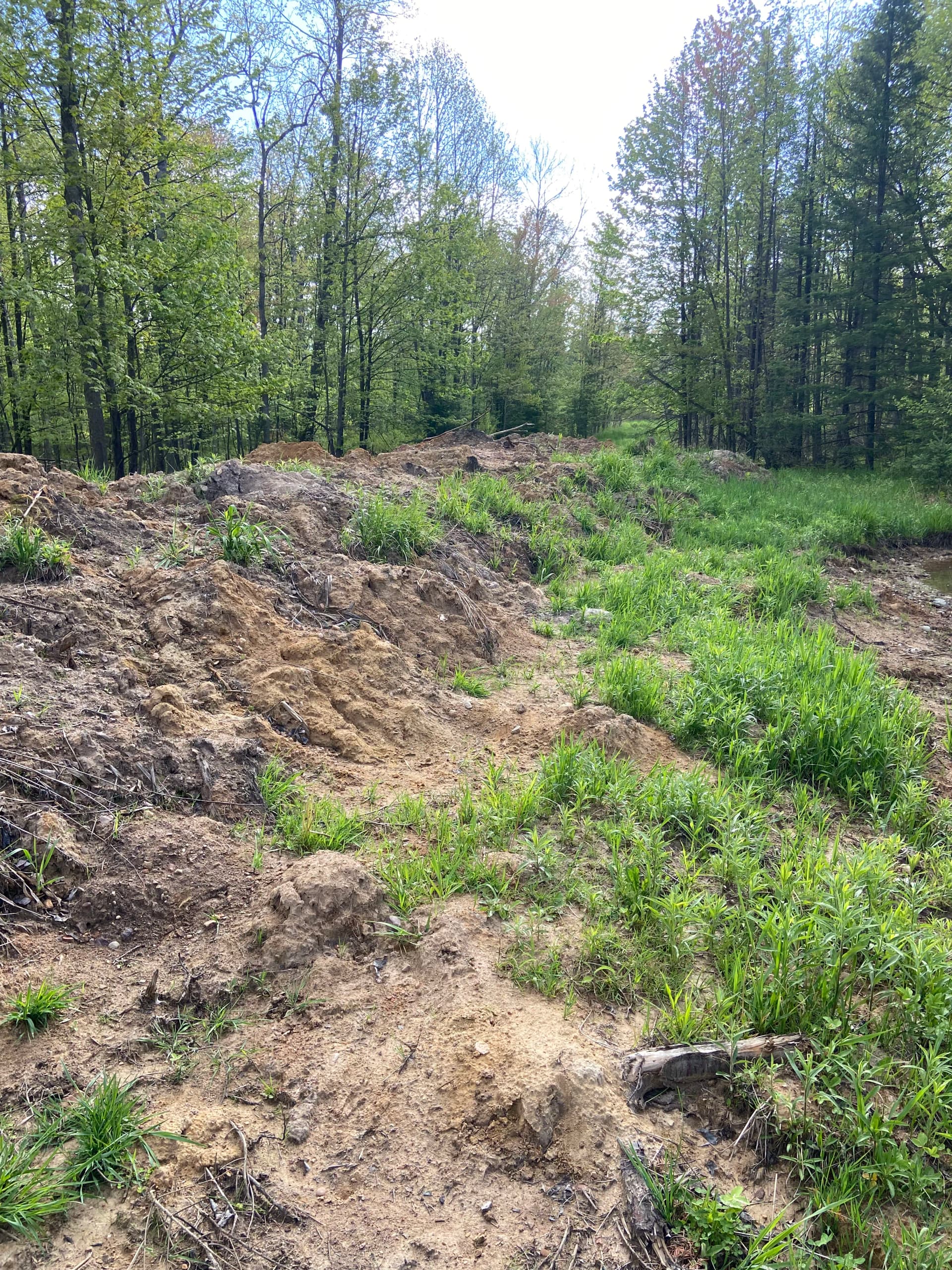
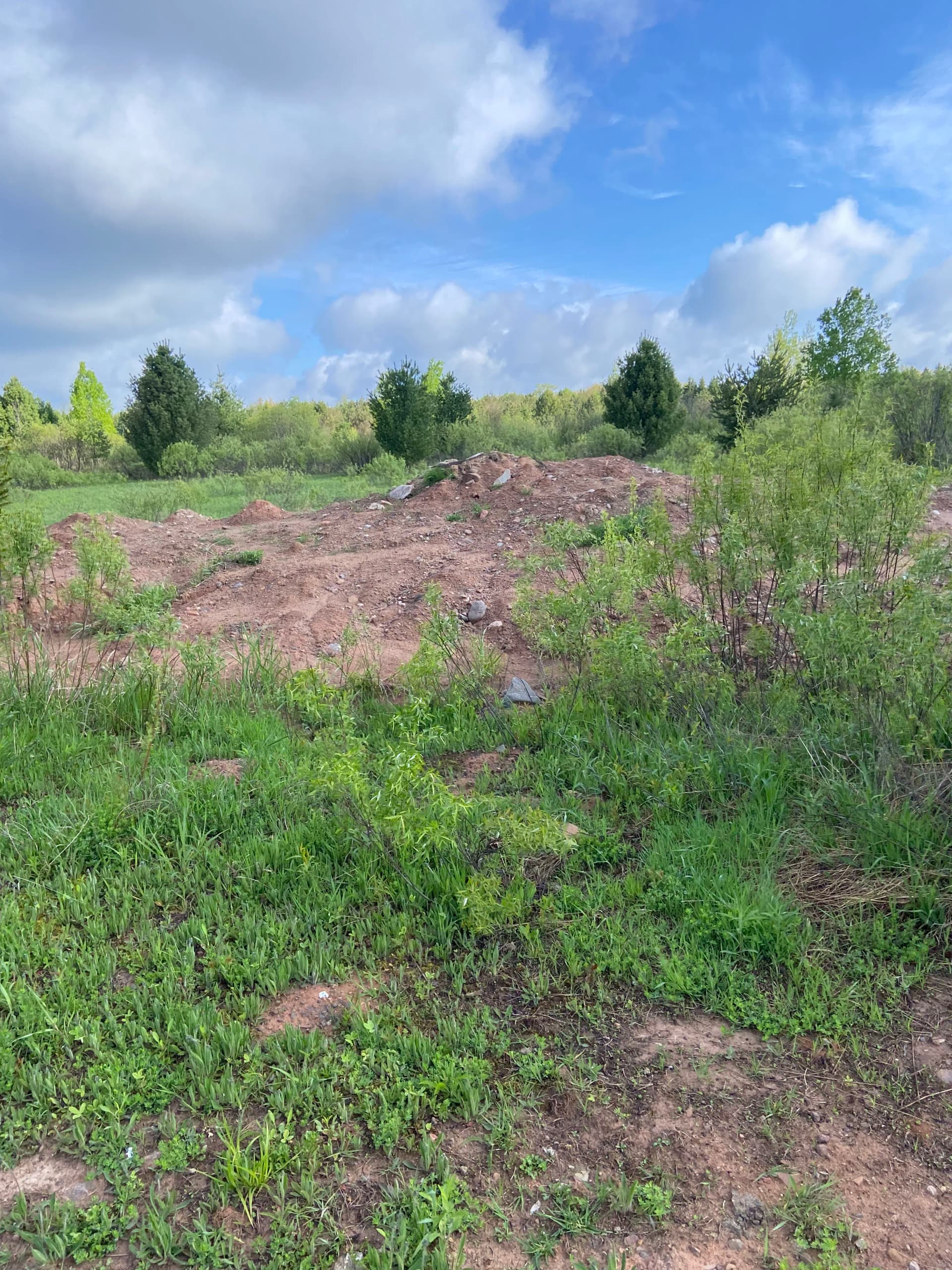
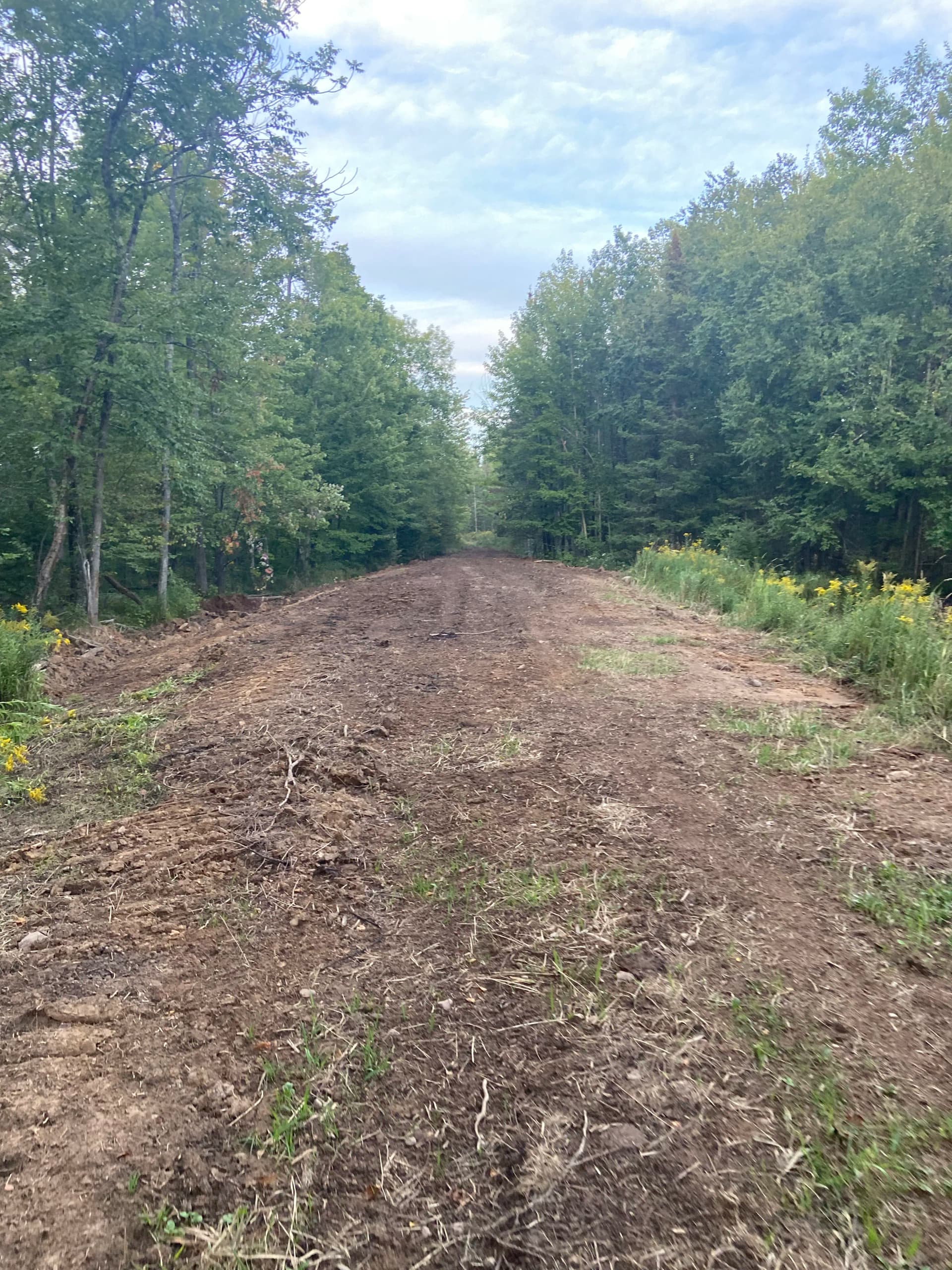
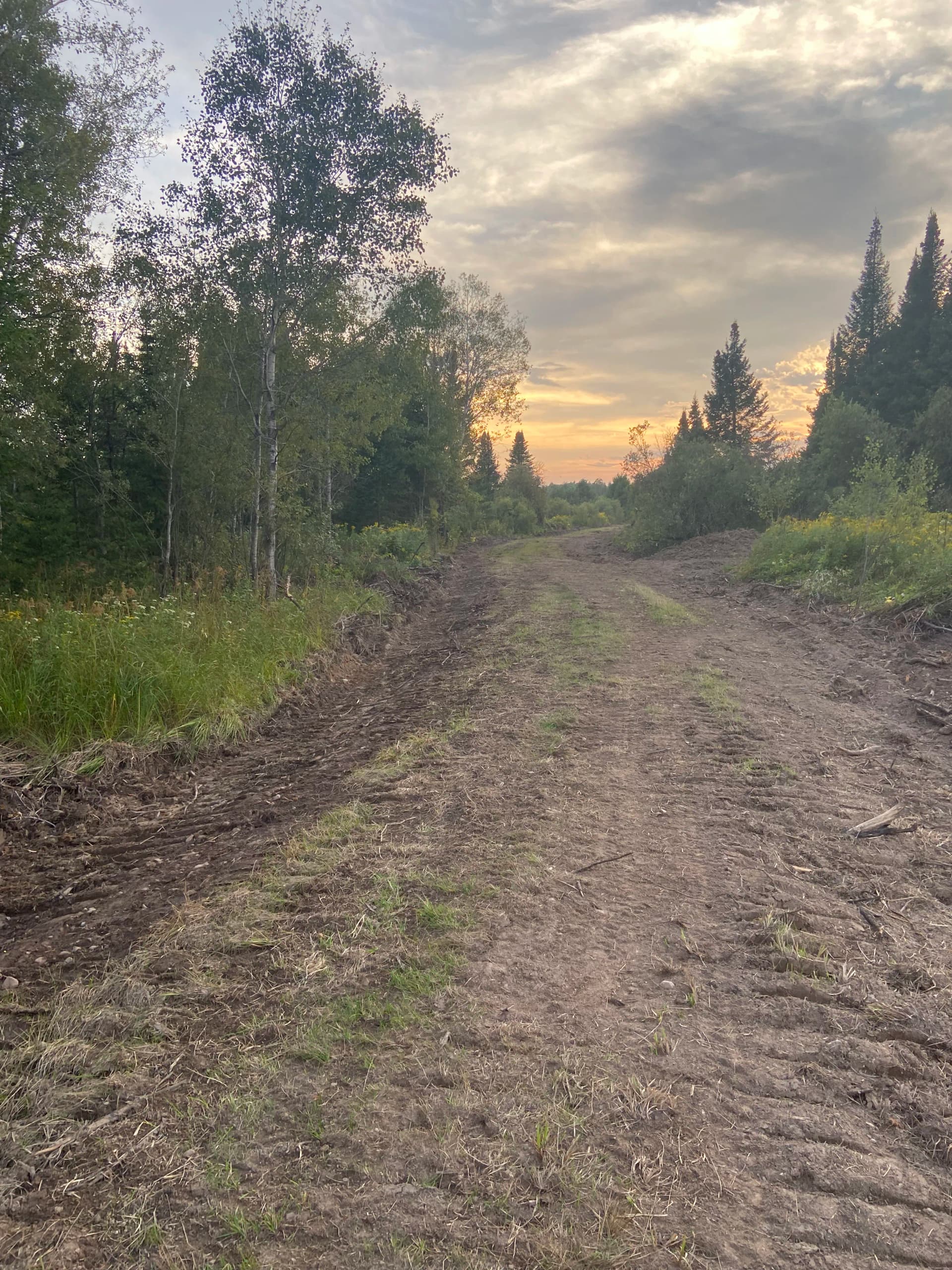
A lot of rural properties have the same problem - roads that have been neglected for years, drainage that never worked right, and land that just sits there because getting to it is too much of a hassle. That was the situation here. Overgrown access roads, no real ditching, water with nowhere to go, and fill that wasn't being used for anything useful. It all adds up to a property that can't reach its potential.
We started by getting the roads cleaned up and opened back up. What was barely a two-track path choked with brush and saplings got graded out and widened into something you can actually drive on with confidence. The ditching and crowning work is important here - crowning the road pushes water to the sides, and proper ditches carry it away. Without that, you're just rebuilding the same muddy mess every spring.
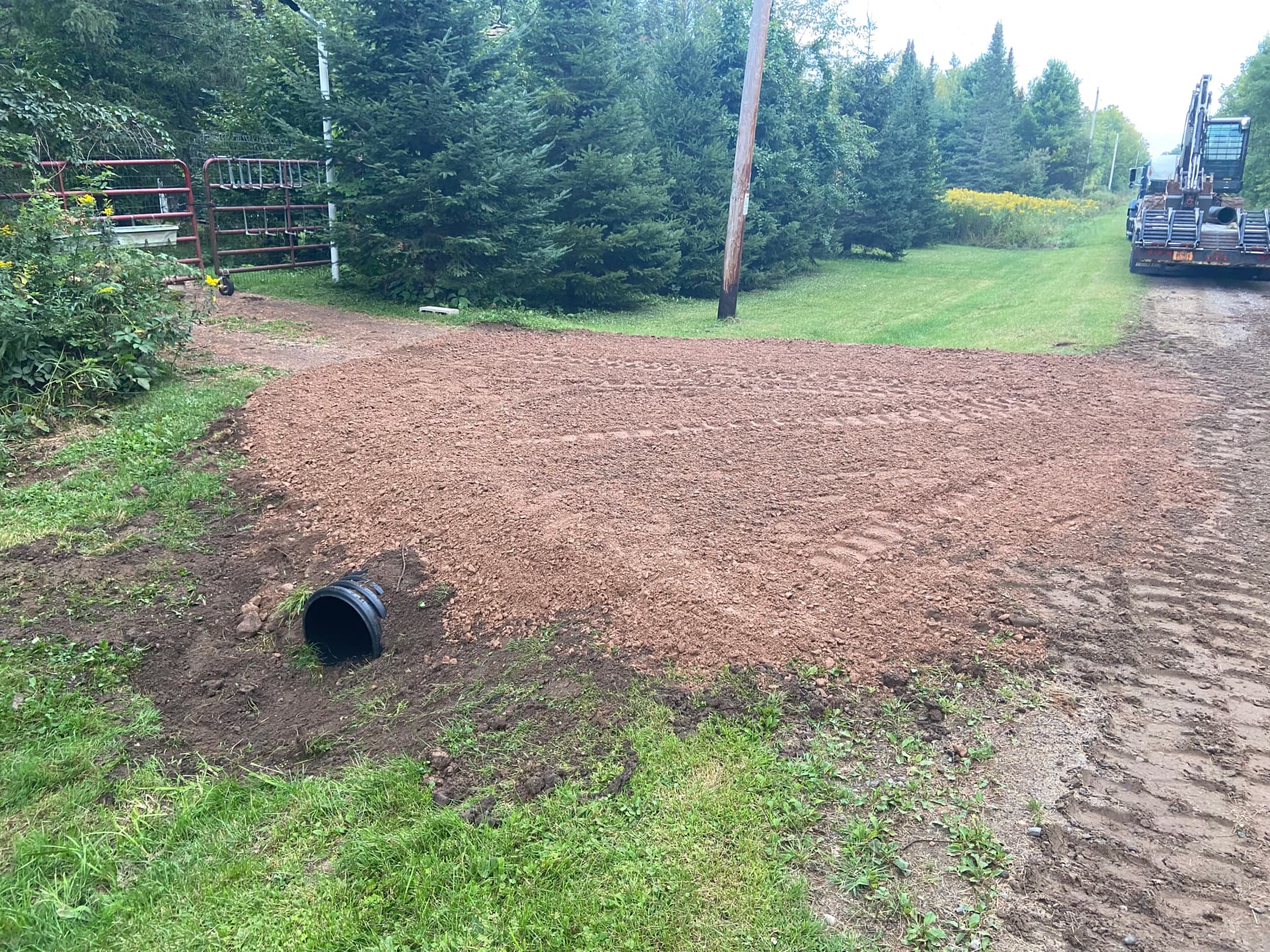
The culvert install was a key piece of this job. A code-compliant culvert handles water the right way at the road crossing and keeps you out of trouble with local regulations. It's one of those things that looks simple but makes a huge difference in how the road holds up over time. We see a lot of properties with water problems that trace right back to a missing or undersized culvert.
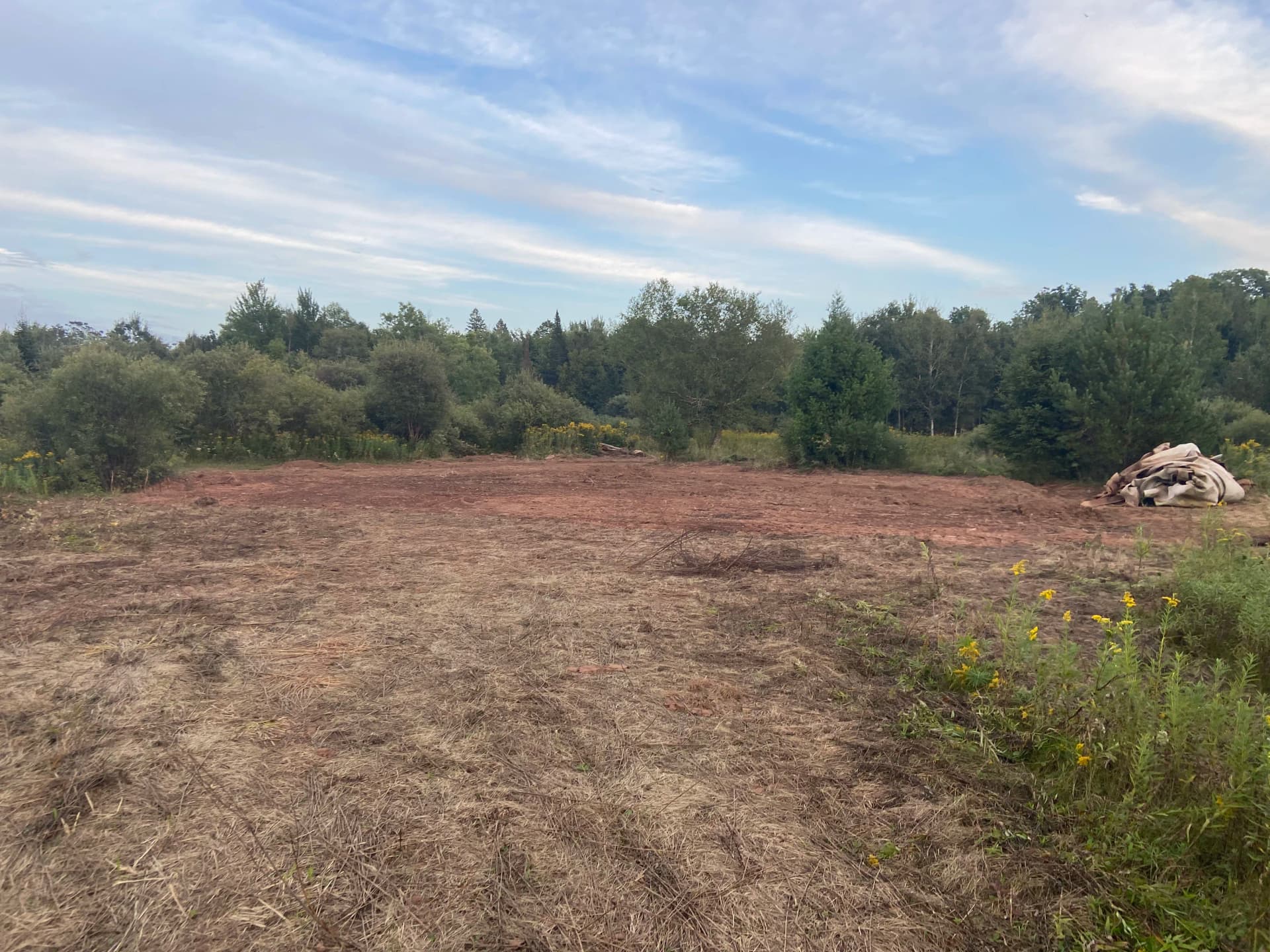
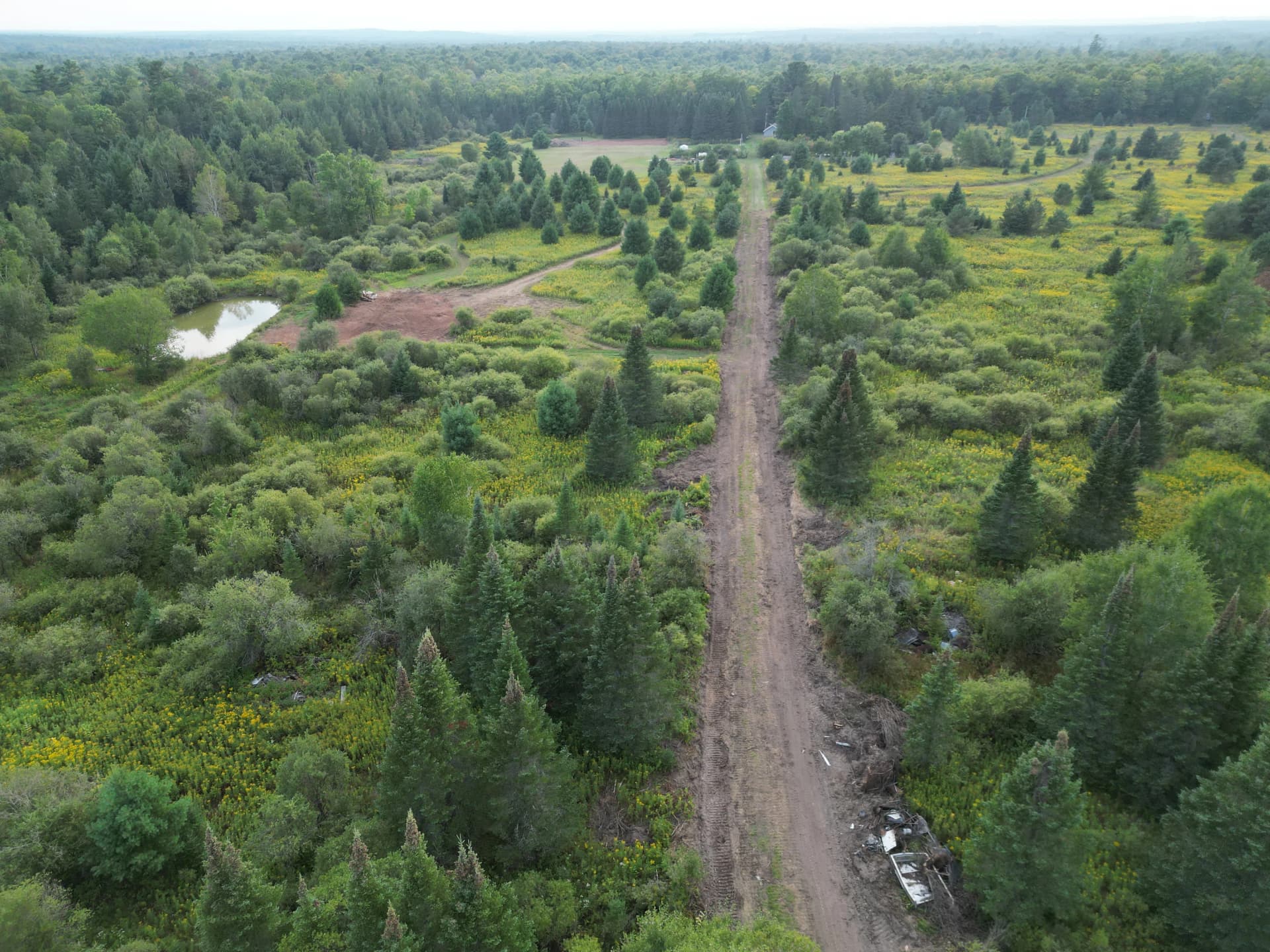
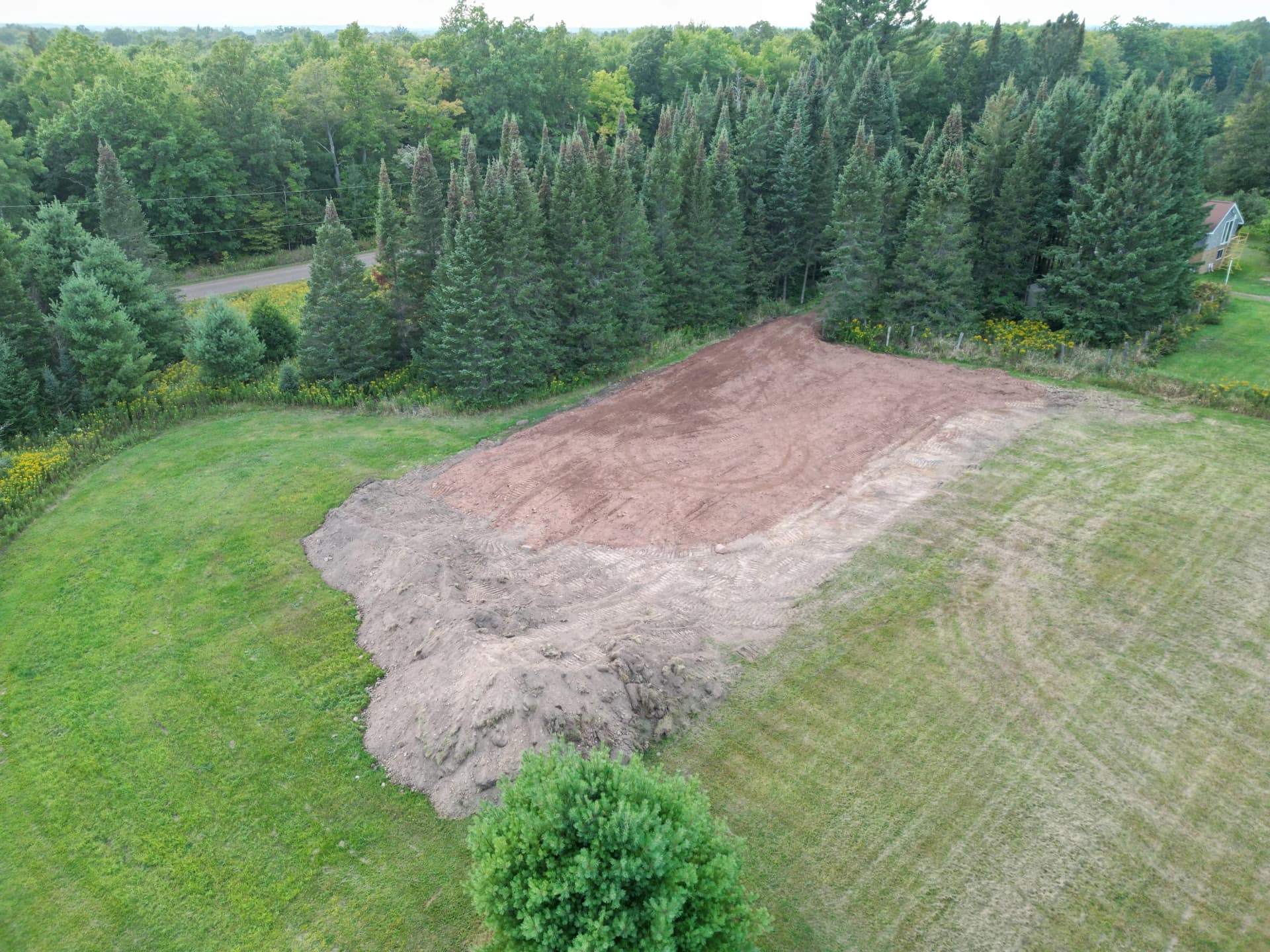
The fill work tied everything together. Instead of letting excess material sit in a pile and become a problem, we put it to use - building up areas that needed elevation for better access and setting the stage for future building plans. That kind of thinking ahead is what separates smart dirt work from just moving dirt around. The aerial view really shows how much ground we covered and how the different pieces of this job connected across the property.
Whether you've got an overgrown road that needs a full cleanup, drainage issues that keep getting worse, or land you're trying to prep for a build, this is the kind of work we do every day. Good site development starts with getting the basics right - access, drainage, and smart use of what's already on the property.