1,500-Foot Driveway Build From Raw Land to Gravel
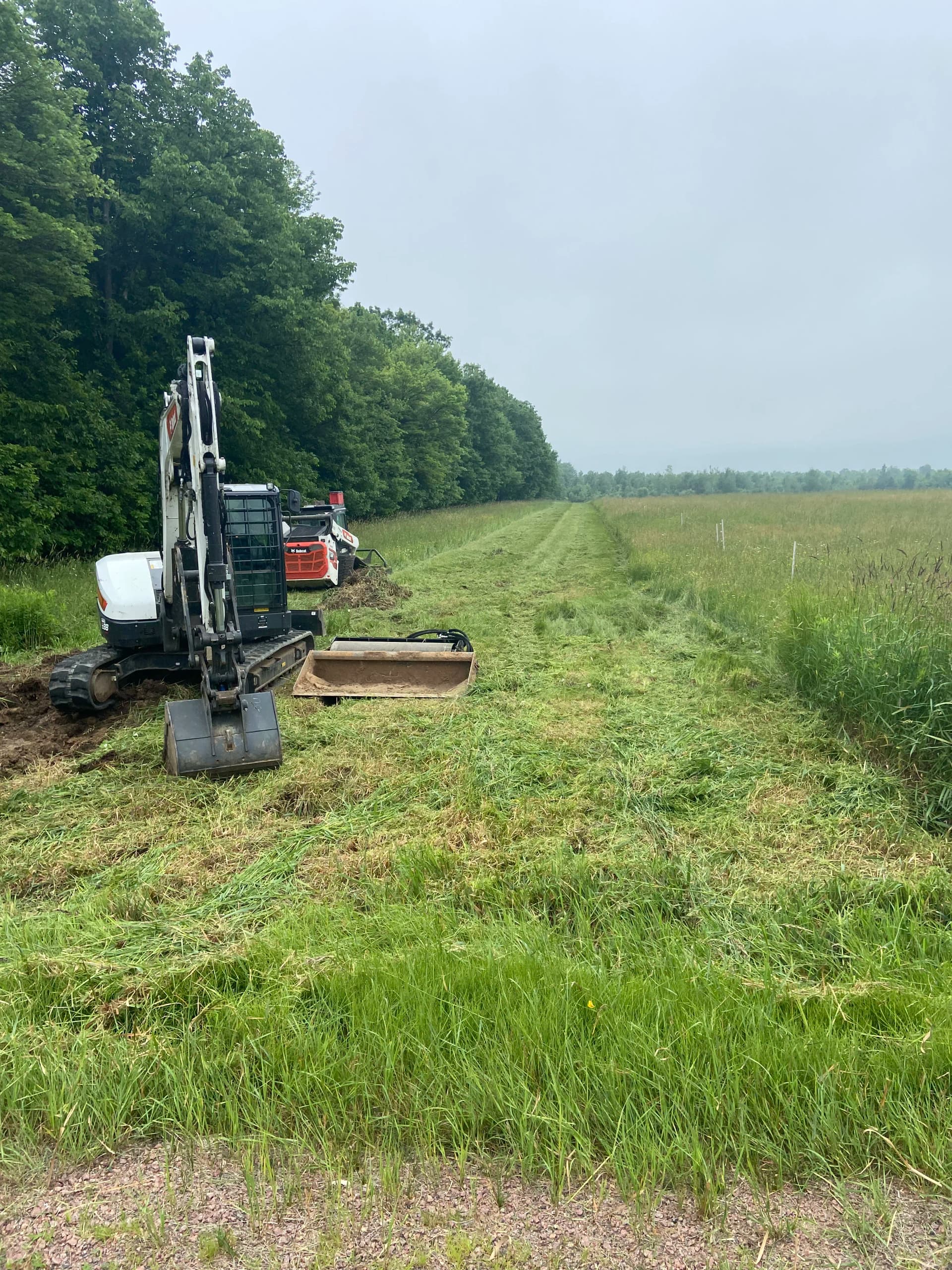
Building a 1,500-foot driveway from scratch is a different animal than a standard residential job. There's no existing base to work with. No road to connect to. Just raw land - and the job of turning it into something solid enough to support vehicles, deliveries, and eventually a home. That's exactly what we were working with here.
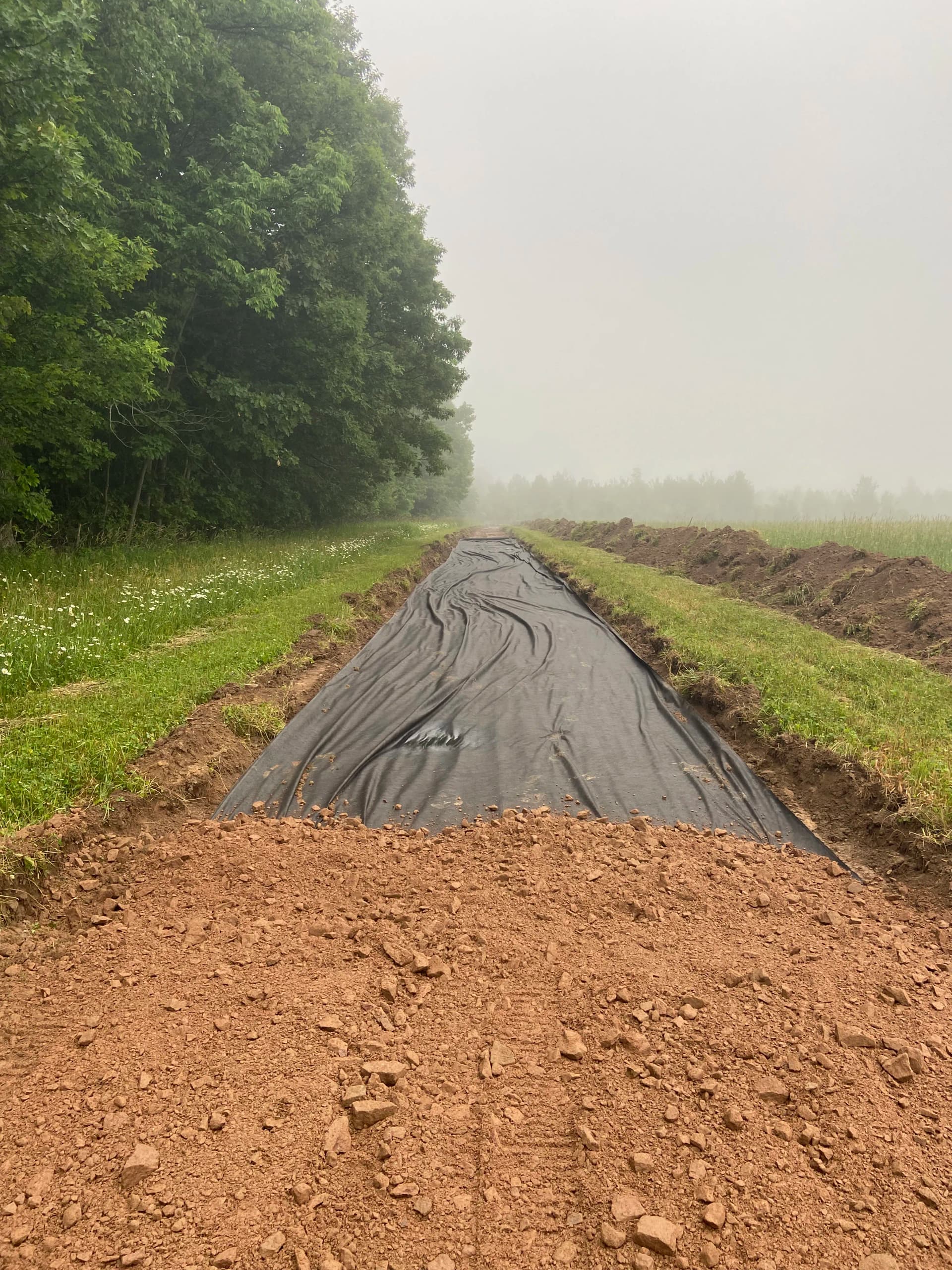
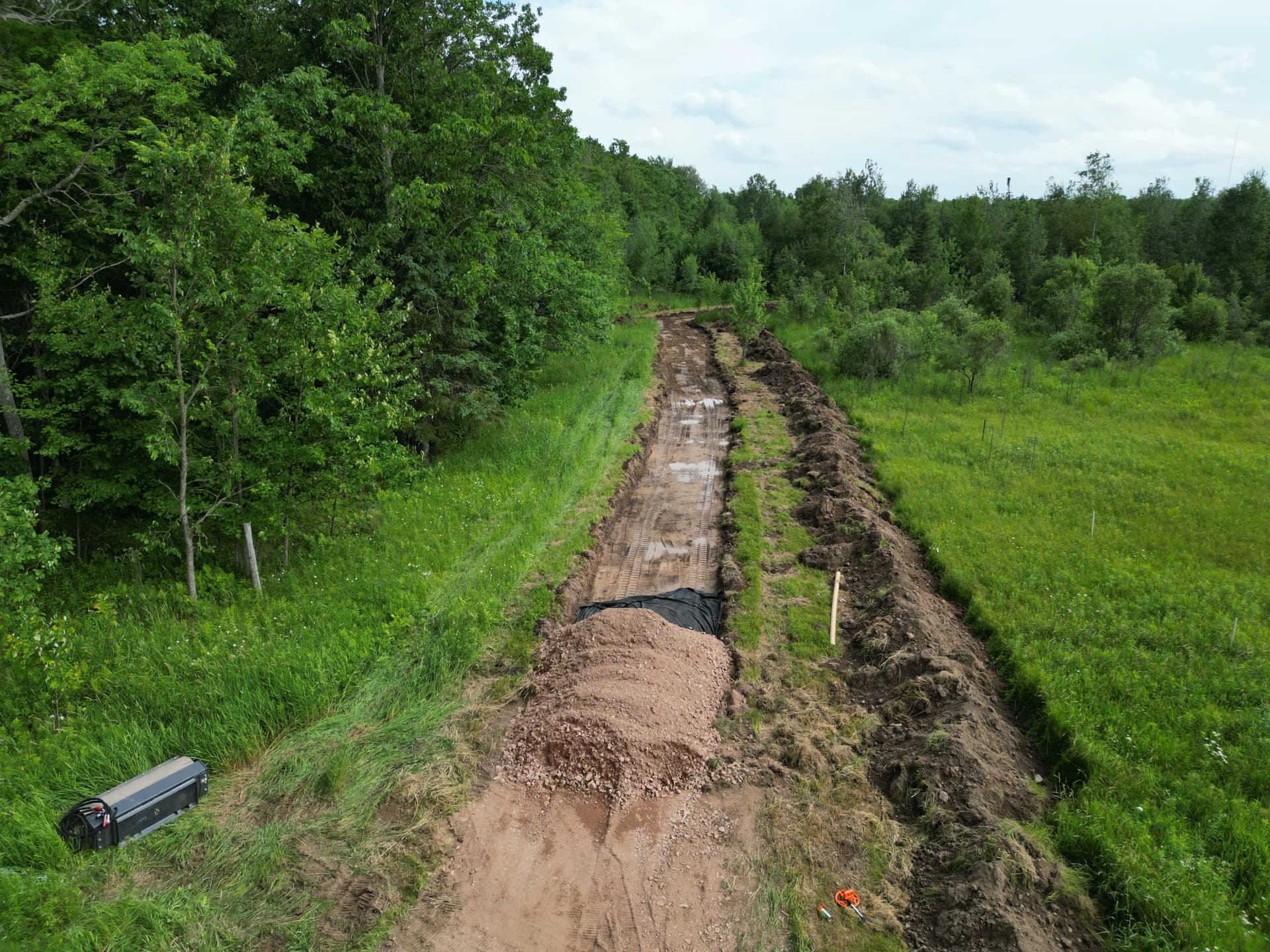
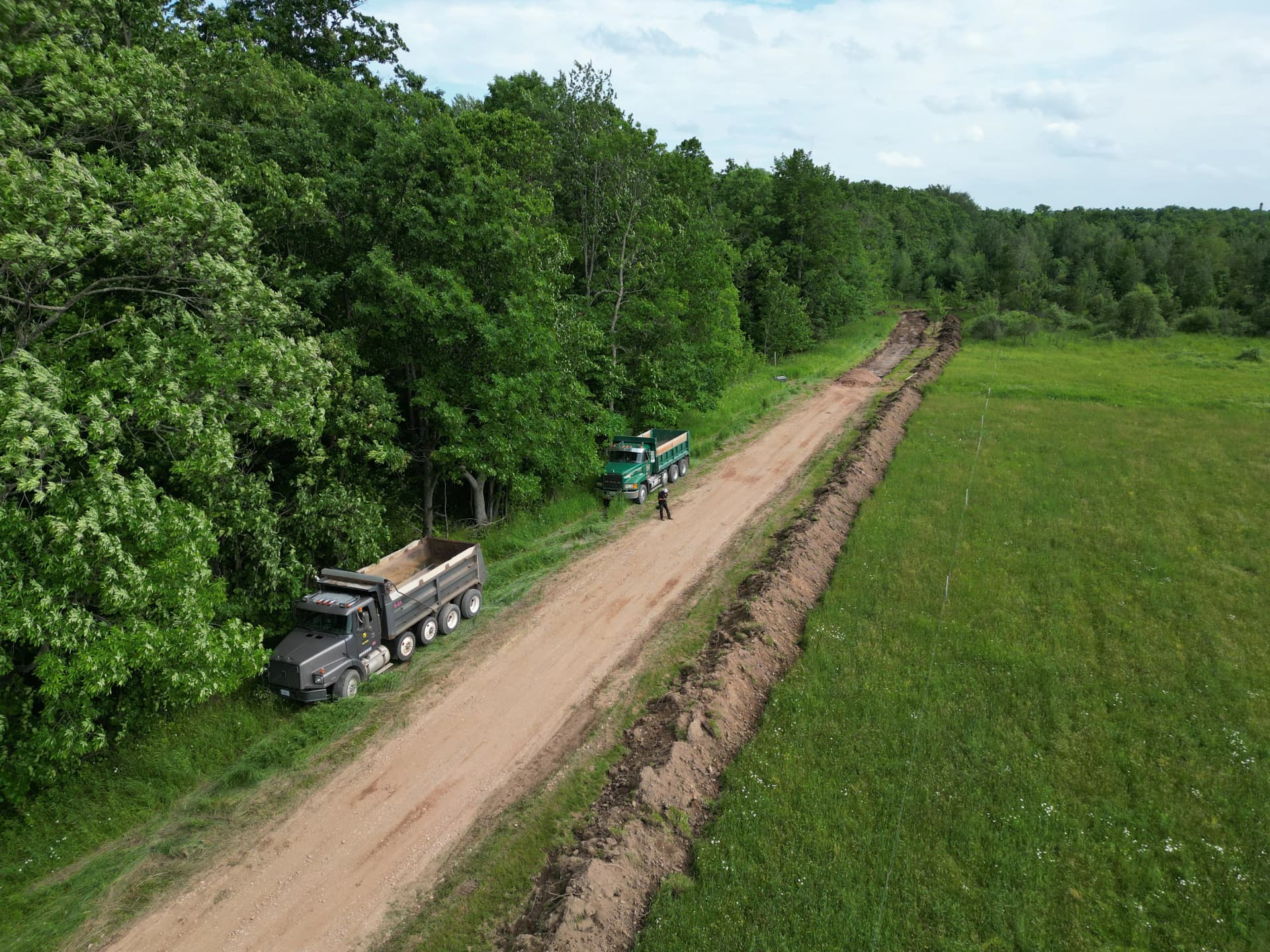
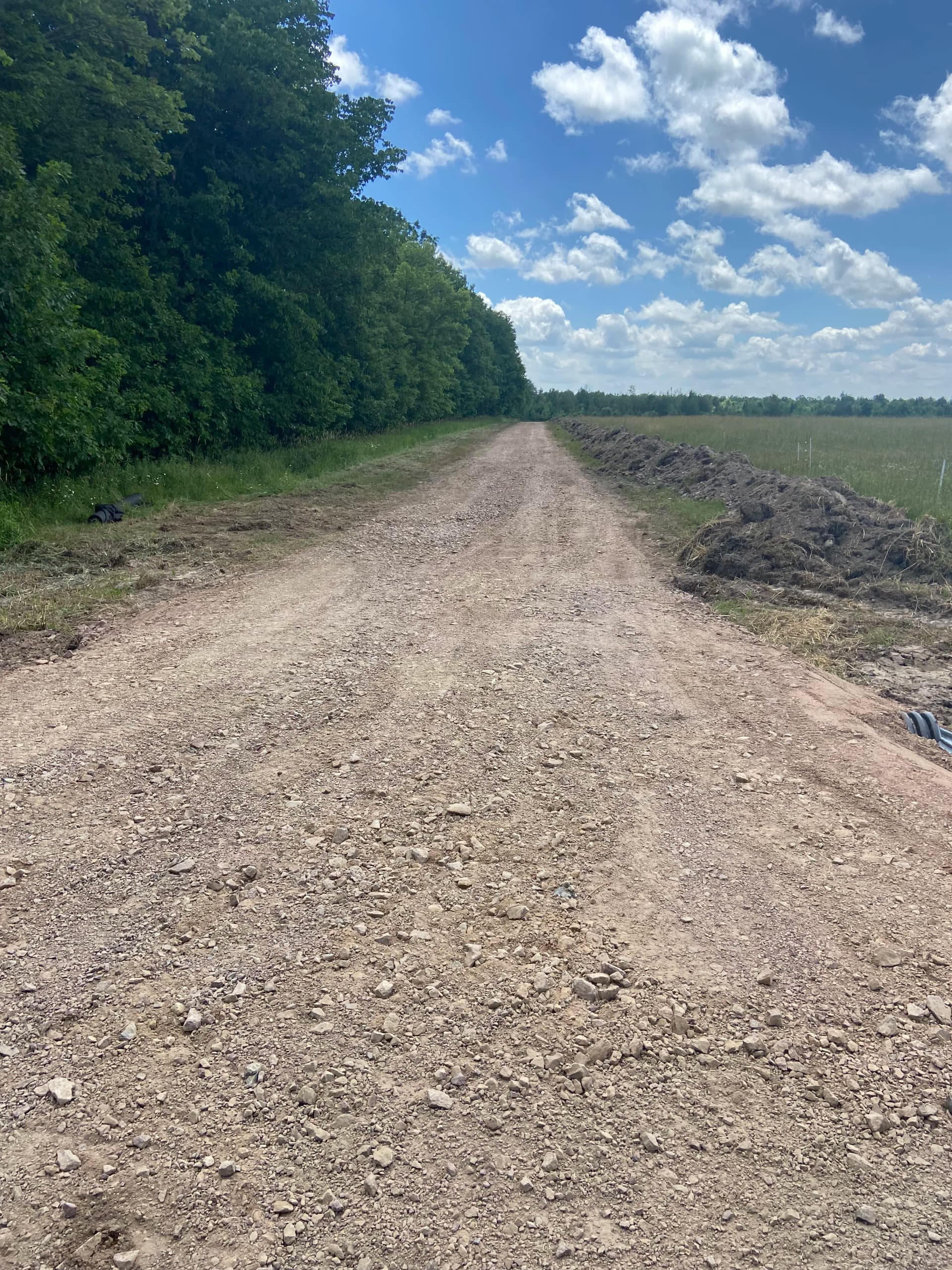
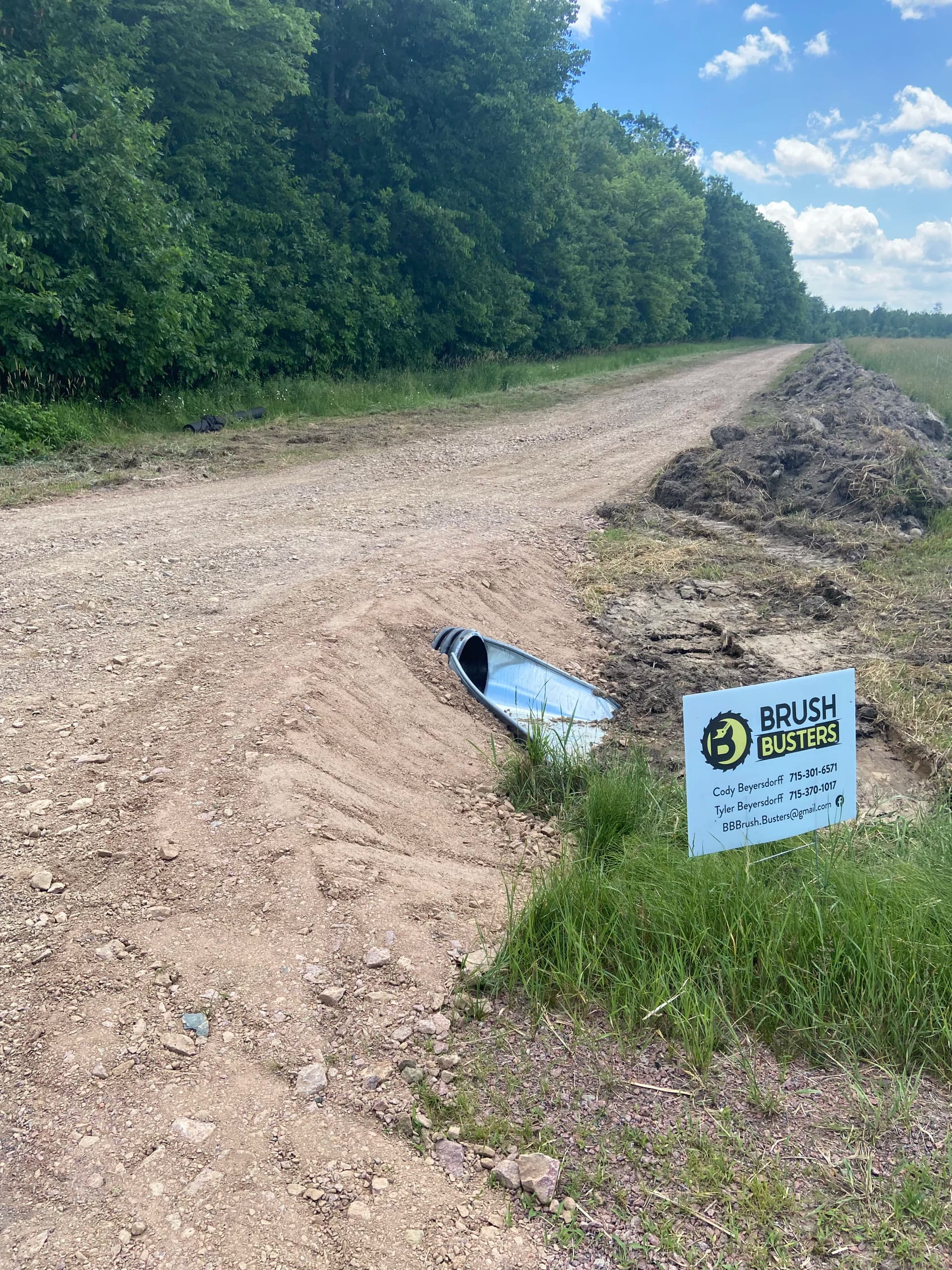
The process starts well before any gravel hits the ground. First, we cut and clear the path. Then the excavators go to work shaping the corridor, pulling dirt and establishing the grade. Getting that base right is everything. A driveway is only as good as what's underneath it, and we don't skip steps. You can see the geotextile fabric laid down the full length of the drive before material goes in - that's there to keep the gravel separated from the subsoil below, which keeps the surface stable over the long haul instead of sinking and mixing into the dirt with every freeze-thaw cycle.
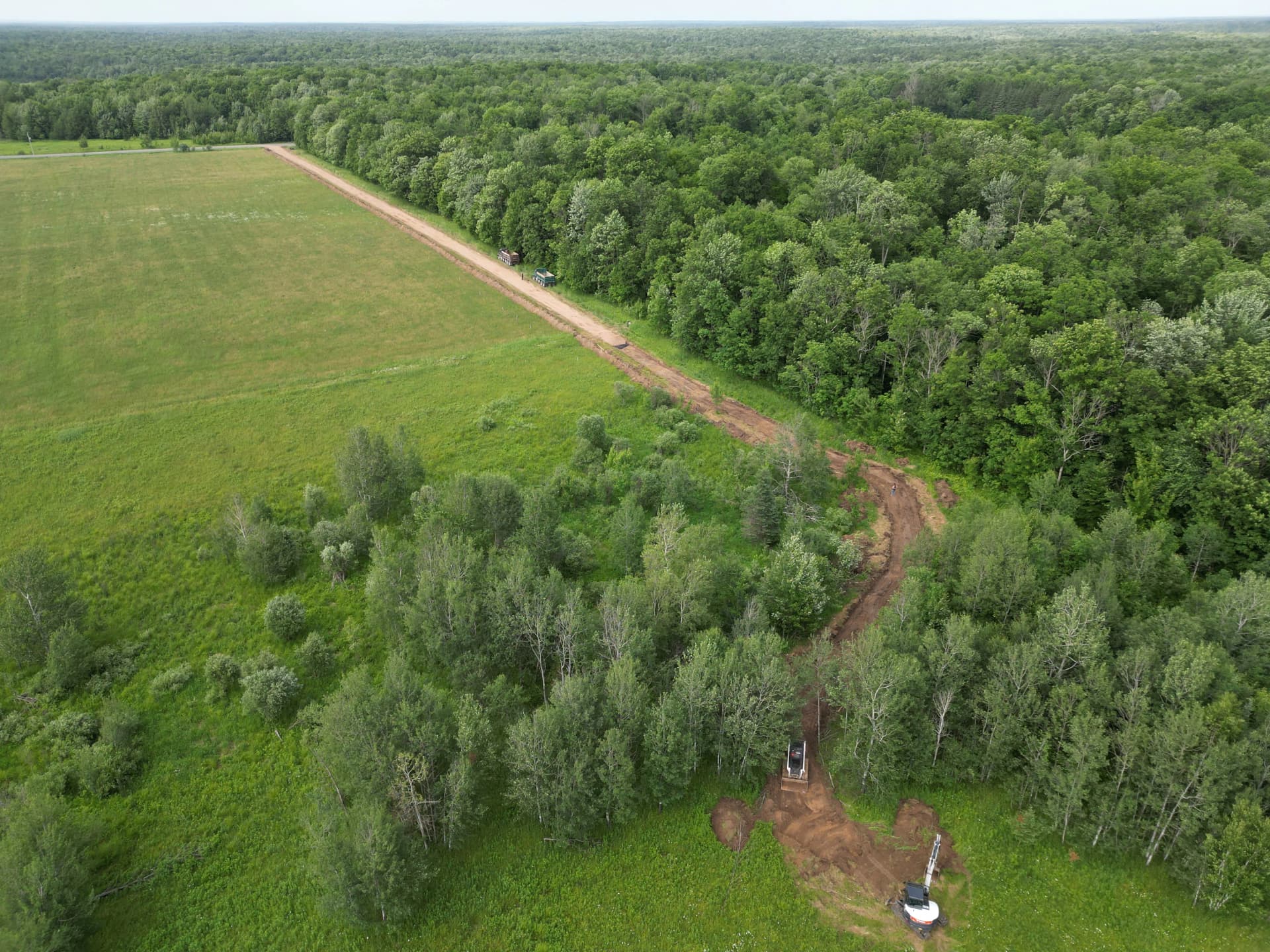
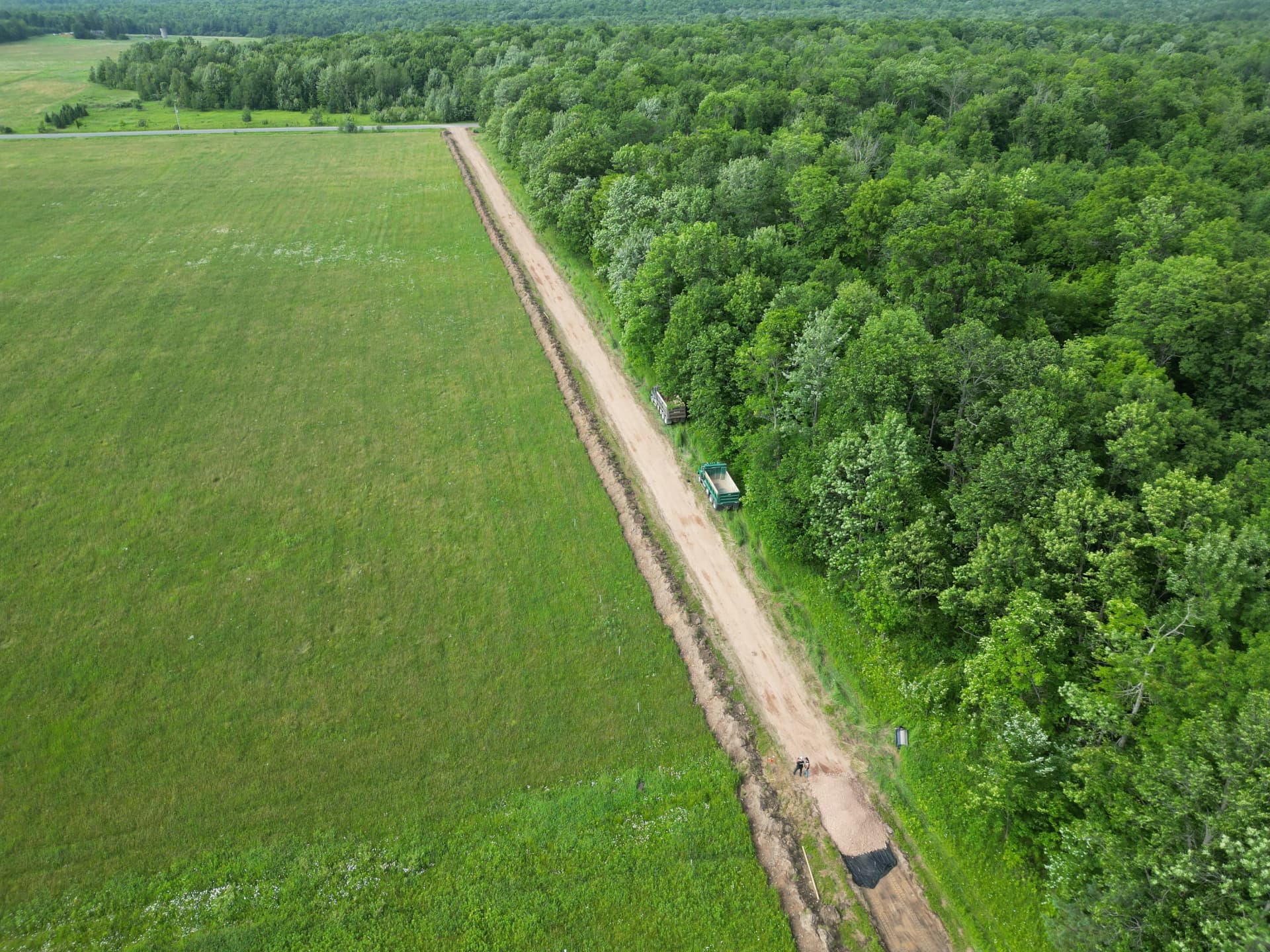
Once the fabric was down, our dump trucks started hauling in gravel and spreading it across the full length of the run. On a job this long, material hauling is a big piece of the work - it takes multiple loads and a coordinated effort to cover that kind of distance with consistent depth. We run our own trucks, which keeps the whole operation moving without waiting on third parties.
From the aerial shots, you can really see the scale of what this job required - cutting through open field, skirting the edge of dense treeline, and running the full corridor all the way out to the road. A finished driveway at that length isn't just convenient. It's what makes a piece of land usable. It's what lets a builder get equipment in, a family get moved in, and a property actually function the way it was meant to.
That's why we say a solid driveway is where every future home starts. Whether you've got a parcel that needs access for the first time or land that needs serious site development work before construction can begin, this is the kind of job we do every day.